Building a run: upgrades and synergies
Every Shinvara run starts the same and ends differently. The difference is the choice you make at every level. Here is how to think about those choices instead of always taking the upgrade that looks strongest.
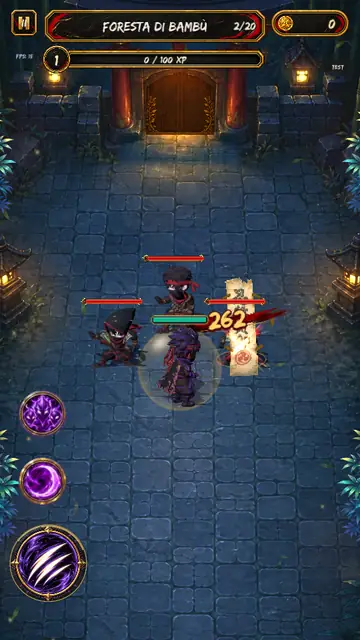
Two different levels
Two kinds of growth live side by side in Shinvara. The run level rises as you collect the experience enemies drop, and it only lasts for that attempt. The ninja’s permanent levels and gear, on the other hand, carry over from one run to the next.
The build this article is about is the run build: the set of upgrades you pick while playing. It is the part of the game that changes most between runs, and the one where decisions matter most.
One choice out of three
Every time your run level goes up you get three upgrades from different families and pick one. There are eight families:
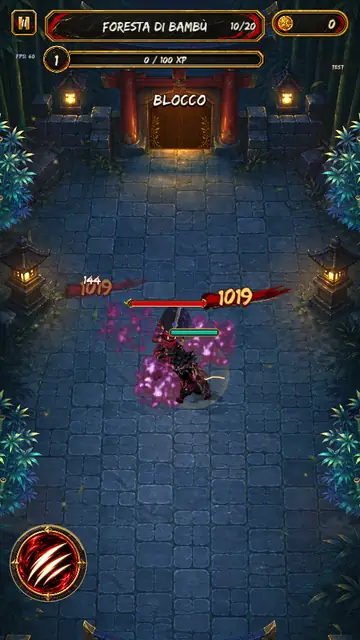
- Projectiles: more shuriken, ricochets, piercing.
- Elements: fire, frost, lightning or poison on your shuriken.
- Mobility: movement and dash.
- Defence: protections such as Spirit Shield, which absorbs a whole hit.
- Sustain: ways to regain health during the run.
- Summons: allies such as the Ninja Companion.
- Melee: upgrades for close-range strikes.
- Burst: effects such as Final Seal, which makes defeated enemies explode.
The elemental shuriken: only one per run
Among the upgrades there are four elemental shuriken: fire, frost, lightning and poison. The rule is strict: you can take only one per run. As soon as you choose one, the others stop appearing among the options.
That makes the element one of the most important choices of the run. It is not an advantage against a specific enemy: in Shinvara elements define how you fight, not who you are strong against. Pick the one that fits the rest of your build and your ninja’s style.
Hidden Ninja Techniques
Some upgrades go well together. Collect three compatible ones and you unlock a hidden Ninja Technique, an effect stronger than the sum of its parts. The HUD shows how close you are to completing one.
It is worth keeping an eye on it from the first levels: sometimes an upgrade that looks modest on its own is exactly the piece that completes a technique. And once every power is maxed out, levelling up offers emergency refills instead.
Your ninja’s exclusive abilities
Each ninja has three exclusive abilities: an aura, a signature strike and a guard. They can show up among the level choices like any other upgrade, and each one goes up to level 3.
They are often the best picks early in a run, because they are designed around that ninja’s style. Shinvara, for example, has abilities that mark and curse enemies over time, so it pairs well with upgrades that keep it moving while the damage builds up.
Angels and pacts
Between rooms you may meet a healing angel, who offers healing, a Blessing that raises your attack until the end of the run and stacks up to three times, or a protection. You may also get a demon’s pact, which trades health for power.
The pact can always be refused, and that is the right call when health is low. When you have room to spare, especially in worlds with many angels, it can speed up a run decisively.
Three build ideas
There is no single right build, but here are three directions that work well:
- Shuriken storm: Multi Shuriken, Ricochet and Piercing Edge, plus an elemental shuriken. Ideal for crowded rooms.
- Defensive wall: Spirit Shield and recovery upgrades. Slower, but perfect for the long runs of worlds 3 and 4.
- Squad: Ninja Companion and other summons to split the enemies’ attention, with Final Seal to clean up groups.
The articles follow the development build: numbers and details may change before release, and we update them when they do.